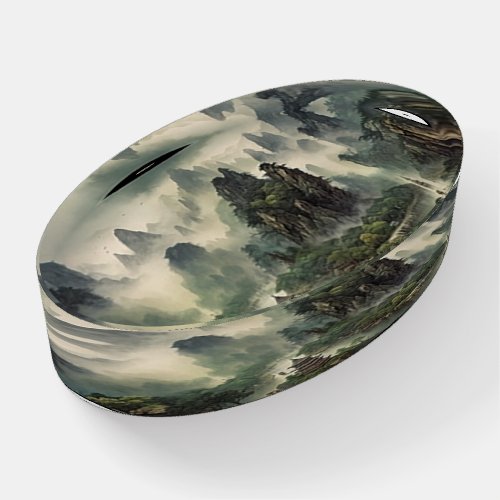
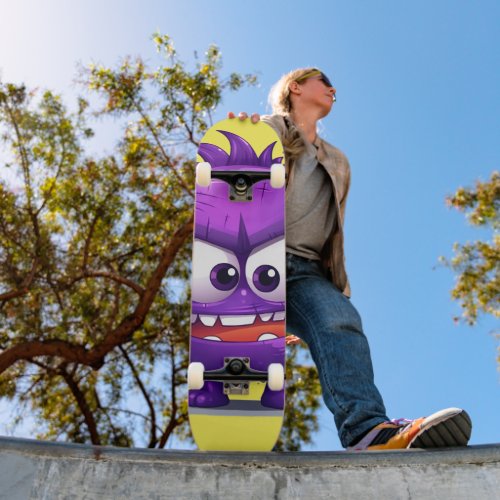
The debate surrounding AI-generated images on platforms like Zazzle has sparked discussions about the identity and value of creators. This article aims to refute the notion that AI-created images should be marked and removed, emphasizing the importance of evaluating artistic merit rather than perceiving AI-based creations through a biased lens.
As an innovative technology that continues to advance artistic expression, artificial intelligence (AI) has gradually entered the realm of art creation. AI-generated artworks have raised questions about the identity and value of “creators.” Some argue that these images should be labeled and removed from platforms because they are not created by humans. However, I firmly believe that artistic creations should be judged based on their quality and creativity, regardless of the creator’s identity. Therefore, we should evaluate AI-generated artworks with an unbiased perspective.
Firstly, the criteria for assessing art should be based on the uniqueness, aesthetic appeal, and artistic intention of the works themselves, rather than the identity of their creators. The power of art lies in its ability to express and evoke emotions, and whether generated by AI or humans, these works have the potential to resonate with viewers and provoke thought. It is unfair to dismiss the value of AI-generated art simply because an AI was the creator. Throughout history, artists have embraced various mediums for their creations, ranging from sculpture and painting to photography and modern digital art. AI, as an emerging medium, brings limitless possibilities to the art world, and we should welcome this new form of creativity with an open mind.
Secondly, AI-generated artworks possess their own uniqueness. AI does not create independently through algorithms alone; its training data still originates from human input. Artists provide a wealth of materials and guidance during the AI model training process, with AI serving as a tool for integration and reimagining. Hence, AI-generated works often represent a collaborative effort between humans and machines, leading to the creation of new artistic styles and forms of expression. Therefore, AI-generated art should be seen as a result of joint artistic creation between humans and AI, rather than being perceived as mere “machine products.”
Lastly, embracing the artistic innovation brought by artificial intelligence helps broaden our aesthetic horizons. AI technology can not only mimic existing art styles but also generate new and unique styles. This introduction of technology offers art fresh possibilities, sparking the imagination of artists and expanding the boundaries of creativity. Exhibiting AI-generated artworks in galleries and museums not only provides more artistic experiences for audiences but also encourages contemplation about AI ethics and technology. Thus, we should encourage the exploration and appreciation of AI-generated art to foster the exchange and progress of human culture and technology.
By approaching AI-generated art with an unbiased and open mindset, we can appreciate the inherent beauty and creativity within. The value of art should be assessed based on its quality, uniqueness, and artistic intention, rather than simply discriminating against or belittling creations because they were made by AI. Art transcends boundaries, and AI-generated artworks offer new possibilities to our aesthetic world. Let us embrace this era of innovation with an inclusive attitude.
However, it is important to not blindly accept any artwork, but rather approach it with a critical eye. In the debate surrounding AI-generated art, more dialogue and discussion are needed to form a comprehensive and well-rounded perspective, allowing us to face this issue correctly and encourage more people to do the same.