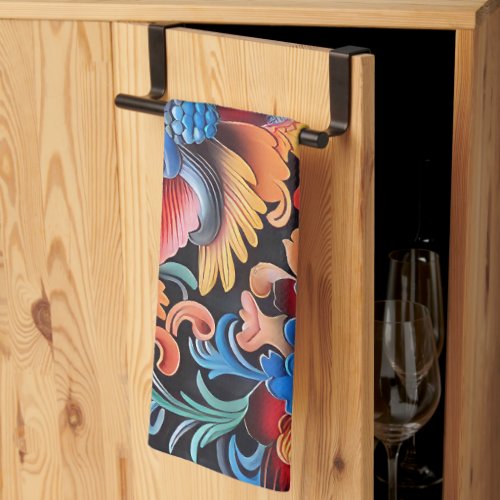
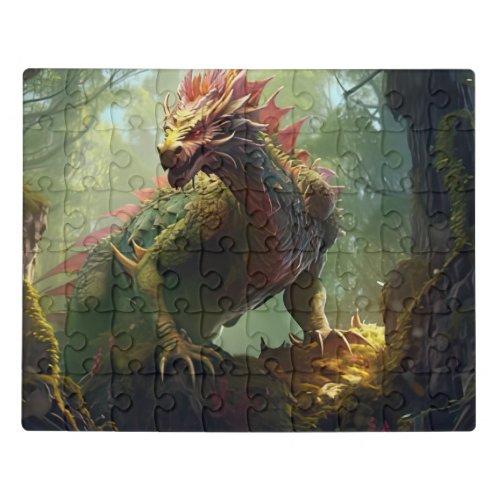
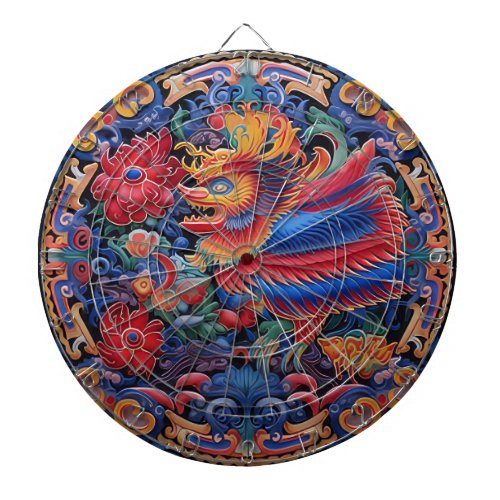
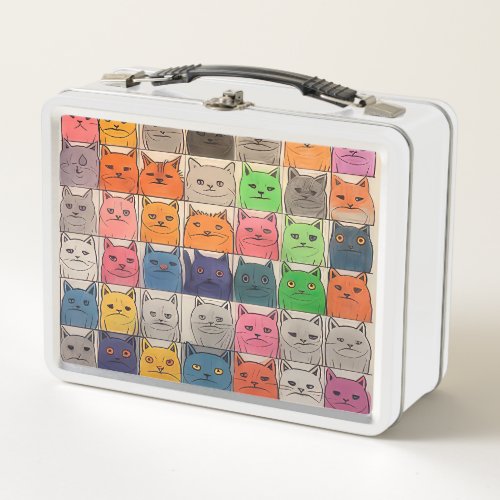
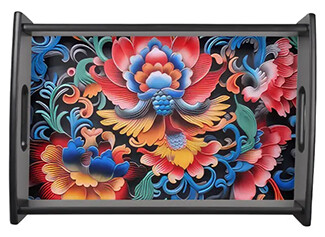
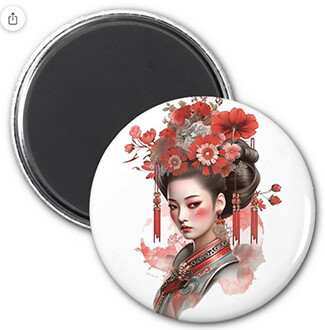
AI has made significant progress in the field of design, but achieving full replacement of human design still requires time and technological advancement. AI design tools, through machine learning and deep learning technologies, can provide creative inspiration, optimize design solutions, and even generate designs automatically, thereby improving design efficiency and quality.
However, AI still struggles to fully comprehend and simulate human creative thinking and emotional experiences, which are essential elements in design. While AI can learn from vast design cases and rules to create, it is challenging for it to possess unique personalities and artistic qualities. Additionally, design involves communication and collaboration among people, including understanding and conveying ideas with clients, users, and team members, which remain difficult for AI to replace.
The future direction might involve a fusion of AI and human design, utilizing AI’s assistance and augmentation to enhance design efficiency and quality. AI can aid designers in quickly generating initial design proposals, automating tedious design tasks, providing real-time feedback and optimization suggestions, thereby freeing up designers’ creativity and mental space. Ultimately, design results will still rely on the aesthetic judgment and decision-making of human designers, as well as communication and collaboration with users and clients.
In conclusion, while AI has made great strides in the field of design, achieving full replacement of human design requires further technological innovation and development, as well as a deeper understanding of the design process and human artistry.